What Are the Most In-Demand Construction Skills?
If you are looking for your next role in construction and wondering what skills construction employers want right now, the honest answer is: quite a lot.
The market is busy, and the pipeline is getting stronger each day, which means contractors are keen to hire. However, they’re also getting more selective.
According to CITB’s latest Construction Workforce Outlook, the industry requires an extra 41,200 workers each year between 2026 and 2030, equivalent to 1.6% of the current workforce.
That’s a massive gap, and it creates real opportunities for candidates who are on-hand to make the most of their chance.
At a Glance
- The most in-demand construction skills span core trades, professional roles, and behaviours that no certificate can replace
- The FMB and CIOB report that 72% of UK construction firms are now struggling with skills shortages, up from 61% just six months earlier
- Construction certifications help you get hired in the UK include CSCS, SMSTS, SSSTS, and NVQ
- Attitude, reliability, and adaptability matter as much to hirers as qualifications
Want to Stand Out As a Construction Candidate?
Whether you are a tradesperson looking for more stability or a construction professional ready for a bigger project, ITS Building People can help you identify gaps, sharpen your profile, and get in front of the right employers. Get in touch to find out more

The Most In-Demand Construction Skills
Core trade are still the biggest gap in the market
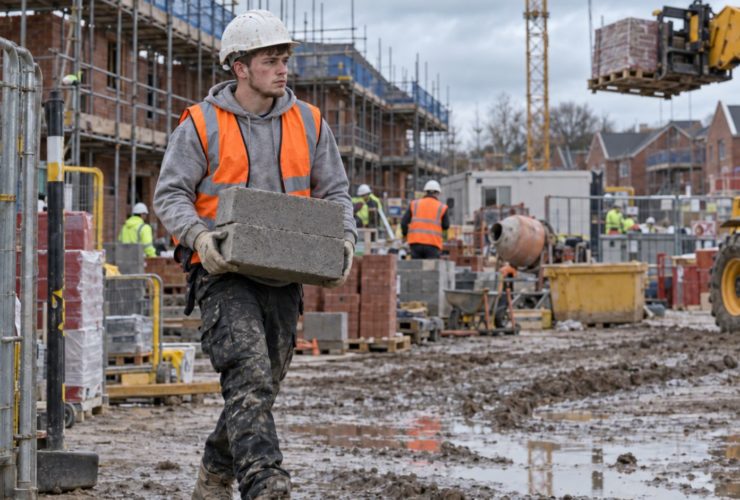
The fundamentals have not gone away. The FMB and CIOB State of Trade Survey, covering the second half of 2025 and based on 493 responses from SME firms across the UK, found that carpenters, bricklayers, and plumbers are the most difficult skilled trades to recruit, alongside ongoing shortages in building safety, sustainability, and new technologies.
If you are a skilled tradesperson in any of these areas, the most in-demand construction skills are working in your favour. The key is making sure your tickets are current, your CSCS card is the right one for your occupation and ideally that you can point to a solid track record on relevant site types.
Professional and supervisory roles: what skills do construction employers want at the top end?
It is not only trades where the pressure is on.
James Saunders, chief people officer at Wates Group, describes the battle for the best construction talent as stronger than ever, with flexibility and problem-solving among the qualities that immediately set candidates apart.
Site managers, quantity surveyors, site engineers, and project managers are all in sustained demand across the UK. If you are at supervisor or manager level and your CV clearly shows what you have delivered and on what scale, you will find plenty of doors open.
Sustainability and digital: Some of the most in-demand construction skills
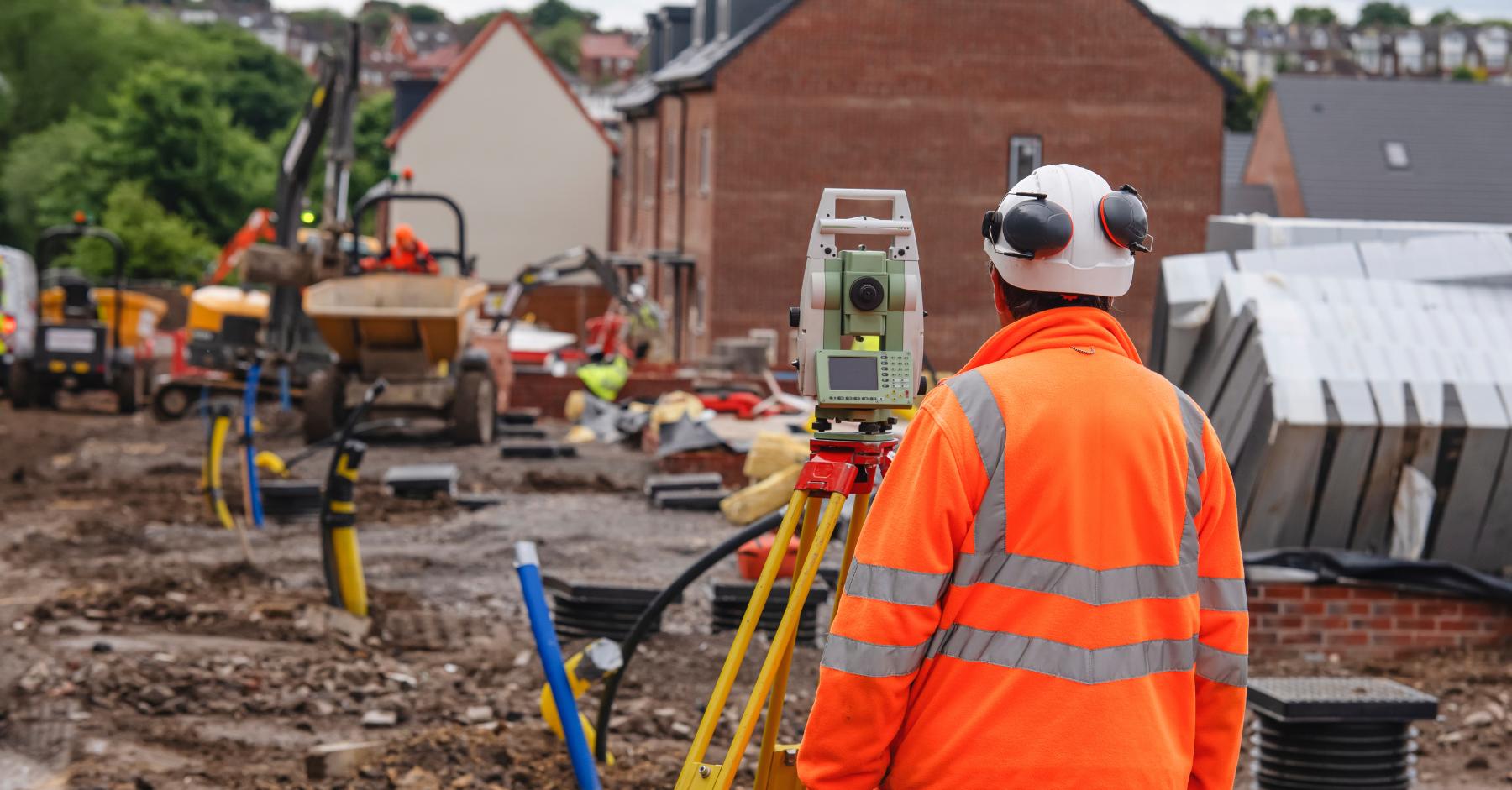
This is an area that is gathering pace fast. Willmott Dixon’s head of recruitment, Clare Francis, has talked about a growing gap in digital skills, particularly around Building Information Modelling and other construction technology platforms, noting that the industry needs professionals who are equally comfortable reading technical drawings and navigating sophisticated digital models.
On the sustainability side, the FMB and CIOB survey found respondents had particular difficulty finding staff with knowledge of sustainable building practices, new technologies and heritage skills.
Candidates who have picked up any training in low-carbon construction, retrofit, or energy-efficient building techniques are increasingly standing out. These are rapidly becoming core construction skills employers want on every project.
Construction Certifications That Help You Get Hired in the UK
Knowing what skills construction employers want is one thing. Proving it on paper is another.
The right certifications are how you demonstrate site-readiness before you have even had the conversation.
CSCS Cards
CSCS cards provide proof that individuals working on UK construction sites have the appropriate training and qualifications for their role, and you may be refused entry to a site without the right card.
Among the construction certifications that help you get hired in the UK, this is the starting point for virtually everyone. Most major contractors treat a valid, role-appropriate CSCS card as a condition of site access.
Getting the right card for your occupation and keeping it current is not optional.
SMSTS and SSSTS
If you are working at a supervisory level or above, these two qualifications will appear in almost every job description.
For supervisors and managers in construction, SSSTS and SMSTS certifications fulfil mandatory job requirements and equip professionals with critical health and safety knowledge, making certified candidates valuable assets in a competitive job market.
The SSSTS is a two-day CITB course covering risk assessments, toolbox talks, and CDM responsibilities at a supervisory level. The SMSTS is a five-day course for site managers covering health and safety legislation, risk management, and leadership responsibilities.
While there is no legal requirement to hold SMSTS certification, many job sites will not hire or promote site managers without it.
NVQs
NVQs are the qualifications that show off your genuine, proven competence to employers.
They run from Level 2 for operatives and skilled tradespeople through to Level 7 for senior construction professionals, and they are directly tied to your CSCS card grade.
NVQs are portable across employers, meaning your qualifications move with you wherever your career takes you. Among the construction certifications that help you get hired in the UK, an NVQ is the one that has the most lasting impact on your long-term earning potential and career trajectory.

How to Stand Out as a Construction Candidate
Knowing the most in-demand construction skills is really important, as presenting yourself as the full package is what actually gets you hired.
Willmott Dixon’s head of recruitment identifies three non-negotiables for candidates:
- A can-do approach and willingness to tackle challenges head-on
- Integrity in safety standards and quality workmanship.
- A genuine openness to feedback and ongoing development.
It’s also important to have a CV that goes beyond listing responsibilities and actually show measurable achievements, alongside the ability to solve problems and adapt quickly, which signals curiosity and a willingness to learn.
How ITS Building People Helps You Get Hired in Construction
We have been placing people across the UK’s construction industry since 1973, working with major contractors including Morgan Sindall, Skanska, Willmott Dixon, and Galliford Try.
When you register with us, we talk to you about where you want to go, what you have got, and what might be worth addressing before you go in front of a client.
If the most in-demand construction skills in 2026 are on your radar and you want help getting in front of the right people, get in touch with your nearest ITS Building People office.
FAQ
What are the most in-demand construction skills in 2026?
The most in-demand construction skills in 2026 include core trades such as carpentry, bricklaying, plumbing, and electrical work, alongside supervisory and professional roles including site managers, quantity surveyors, and site engineers. Digital skills, particularly BIM, and sustainability knowledge in retrofit and low-carbon construction are increasingly expected by UK employers across all project types.
What construction certifications help you get hired in the UK?
The construction certifications that help you get hired in the UK are a valid CSCS card for site access, SMSTS for site managers, SSSTS for supervisors, and NVQ qualifications at the level relevant to your occupation. Together, these demonstrate to employers that you are site-ready, safety-aware, and professionally competent.
How do you stand out as a construction candidate in a competitive market?
To stand out as a construction candidate, keep your core certifications current and back them up with a CV that highlights specific project achievements rather than generic duties. Major UK contractors consistently identify a positive can-do attitude, reliability, adaptability, and openness to development as the behaviours that separate strong candidates from the rest.
Further Reading
How the April 2026 Wage Changes Affect Construction Employers and Workers
What is the Best Construction Job for Me