
What is the Best Construction Job For Me?
Construction Jobs At a Glance:
On-site construction jobs
Hands-on roles such as labourers, bricklayers, carpenters, and plant operators who physically build projects.
Skilled construction trades
Specialist roles, including plumbers, electricians, plasterers, and joiners, that require training and technical expertise.
Construction supervisory roles
Positions such as site supervisors and forepersons who coordinate teams and keep projects running efficiently.
Construction project management and planning
Strategic roles focused on budgets, schedules, logistics, and ensuring projects are delivered successfully.
Want to Find the Perfect Construction Role For You?
ITS Construction is an experienced, specialist construction recruitment partner with decades of knowledge in matching you with the right job. Visit our job board or get in touch today.
A Closer Look at the Different Construction Roles
On-Site Construction Jobs
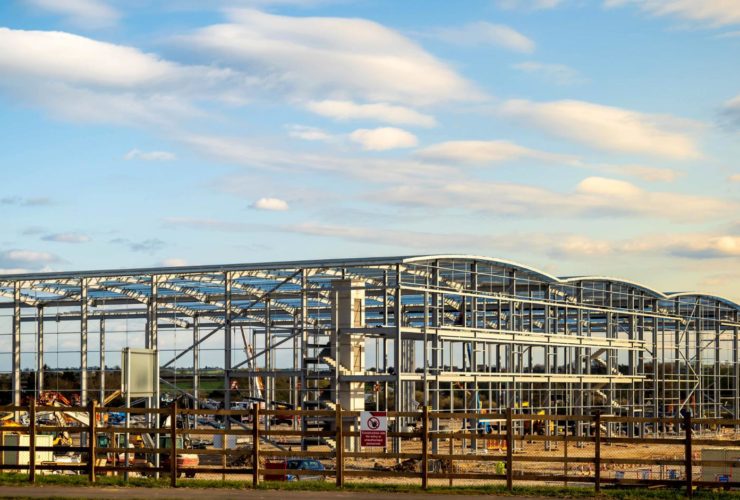
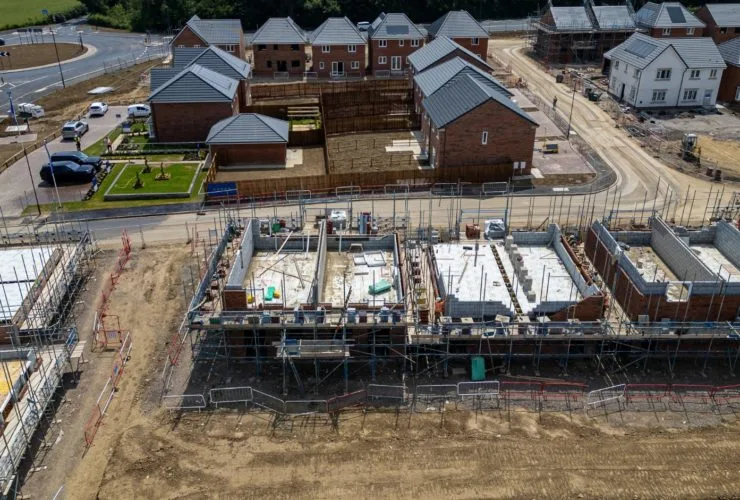
On-site roles are often the first thing people picture when thinking about construction careers.
These jobs involve working directly on building projects and include roles such as labourers, bricklayers, carpenters, groundworkers, and plant operators.
They form the foundation of the construction industry.
One of the most rewarding aspects of on-site construction jobs is seeing physical progress every day.
From foundations through to the finished structure, your work contributes directly to something real and lasting in the community.
For people who enjoy practical work and visible results, few careers offer the same level of satisfaction. Construction site roles are naturally active.
They require stamina, coordination, and practical problem-solving skills. Many workers value the outdoor environment and the opportunity to stay physically active while earning a living.
Skilled Trades in Construction
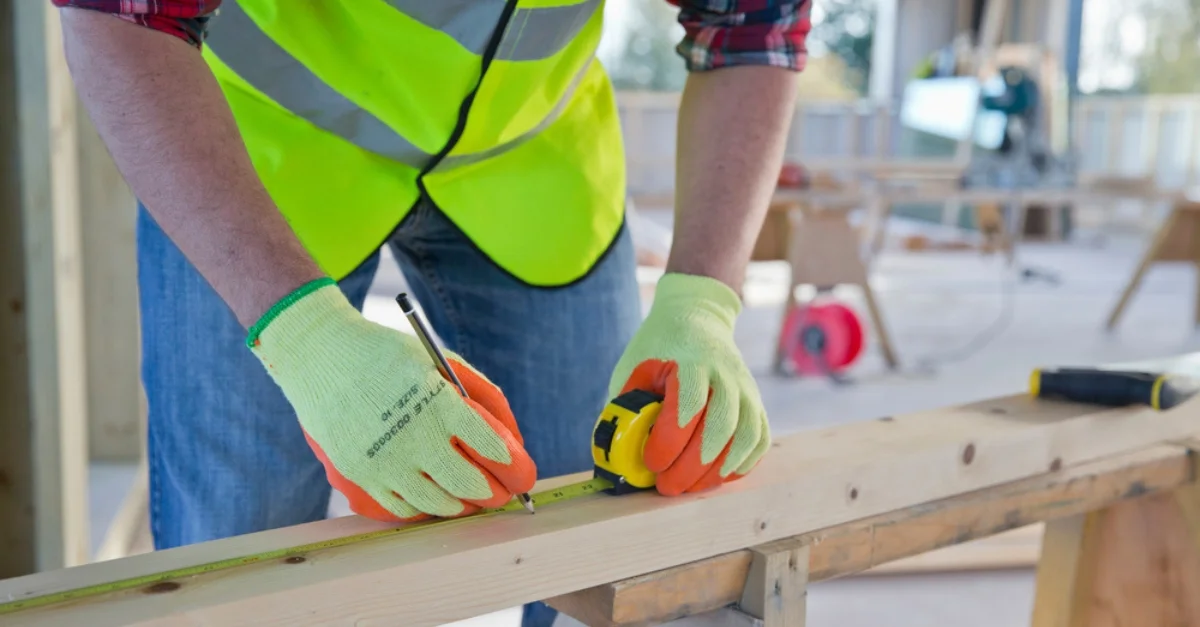
Many of the most respected construction careers involve skilled trades.
These specialist roles focus on particular areas of construction and require technical training and experience.
Examples might include:
- Carpenters and joiners
- Plumbers
- Electricians
- Plasterers
- Roofers
- Groundworkers
Each trade plays a critical role in ensuring buildings are safe, functional, and finished to a high standard.
The UK construction industry continues to face a shortage of skilled workers. As experienced tradespeople retire and fewer young people enter the sector, demand for skilled trades remains strong. This creates long-term opportunities for people willing to learn and develop expertise.
Many people enter skilled trades through apprenticeships or practical training programmes. This approach allows individuals to earn while they learn, gaining real-world experience alongside recognised qualifications.
For those who prefer hands-on learning rather than traditional academic routes, skilled construction trades can be an excellent career path.
Construction Supervisory Roles
Supervisory roles sit between site workers and project leadership.
Site supervisors and forepersons oversee daily activity on construction sites, ensuring that work is carried out safely and efficiently.
Supervisors coordinate workers, monitor progress, and make sure tasks are completed according to project plans. Strong communication and organisational skills are essential, as these roles involve balancing multiple priorities throughout the working day.
Many supervisors begin their careers as tradespeople or labourers. With experience, they develop the knowledge and leadership skills needed to manage teams and take responsibility for larger sections of projects.
However, individuals with management experience from other sectors may also bring valuable transferable skills.
Construction Project Management and Planning
Behind every successful construction project is careful planning and organisation. Project managers, planners, and estimators ensure projects run on time, stay within budget, and meet quality expectations.
Project managers coordinate contractors, suppliers, and stakeholders to keep projects moving forward.
They manage schedules, budgets, resources, and risks while ensuring the original project vision becomes a reality.
While these roles are less physically demanding than site work, they require strong analytical thinking and decision-making. For individuals who enjoy planning, leadership, and problem-solving, project management offers a dynamic and rewarding construction career path.

Looking for the Right Construction Job For You?
If you’re thinking about construction careers but aren’t sure which role is right for you, working with a specialist recruiter can make the process much easier.
ITS Construction has been connecting candidates with construction employers since 1973.
We work closely with contractors, developers, and subcontractors across the UK to match people with roles that suit their experience and career ambitions. We’re also passionate about supporting under-represented groups within the industry, helping to build a stronger and more inclusive future for construction.
Visit our job board or get in touch with our team to find your next opportunity in construction.
FAQ
What are the most common construction jobs in the UK?
Common construction jobs include labourers, bricklayers, carpenters, plumbers, electricians, site supervisors, and project managers. These roles cover both hands-on site work and office-based planning.
Do construction jobs require qualifications?
Some construction roles require formal qualifications or apprenticeships, particularly skilled trades. However, many people enter the industry through entry-level roles and gain experience on the job.
Are construction jobs in demand in the UK?
Yes. The UK construction industry continues to experience skills shortages in several areas, particularly skilled trades and experienced site professionals.
What is the best construction career path?
The best construction career path depends on your interests and strengths. Practical workers may prefer trades or site roles, while those with leadership or organisational skills may pursue supervisory or project management careers.
Can you progress in construction careers?
Construction offers strong opportunities for career progression. Many site supervisors and project managers begin their careers in trades or entry-level site roles before moving into leadership positions.