Construction Industry Growth: Where the Work Is
At the moment, the UK’s construction sector picture is mixed. Work is out there, but it’s not evenly spread, and some pipelines are a lot more reliable than others.
The Office for National Statistics (ONS) has been clear that short-term output has been choppy. Construction output fell 1.3% in November 2025, with new work down 1.9% and repair and maintenance down 0.4%. ONS also flagged that “economic uncertainty” was affecting delays and customer spending.
So this isn’t a market where it pays to chase everything, but one where you pick your lanes based on the construction market trends that are actually holding up.
What Do The Numbers Say About The Construction Market?
RICS’ UK Construction Monitor shows overall workloads slipping, with the headline workloads indicator turning negative. The key point for decision-makers is the split. Infrastructure is the only segment still in positive territory, while housing and the main private sectors sit in the red.
The good news is that forecast growth exists, but it’s led by specific segments
The Construction Products Association (CPA) Autumn Forecasts still point to growth overall, but not evenly. CPA forecasts total output growth of 1.1% in 2025 and 2.8% in 2026, with infrastructure doing a lot of the heavy lifting.
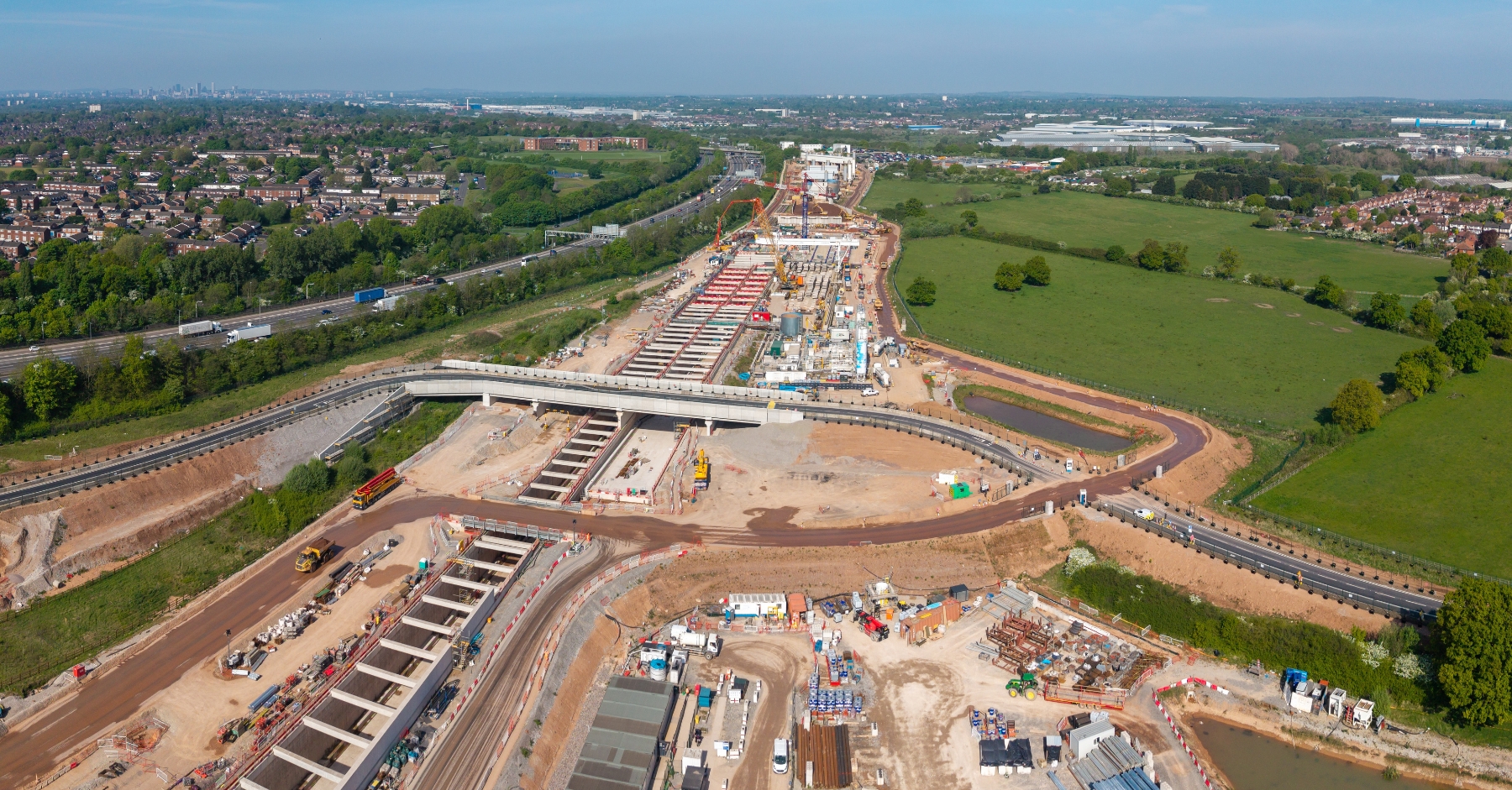
Infrastructure Workloads are the Steadiest Pipeline
RICS calls infrastructure out as the strongest-growing segment over the coming year, and the charts in the Q3 2025 monitor show infrastructure is still positive when other sectors are negative.
Last year, CPA’s Autumn forecasts backed that up on output, expecting infrastructure output to rise 4.4% in 2026. CPA also highlights that the fortunes inside infrastructure vary, with water and sewerage, plus energy generation and distribution, set to be key growth drivers as investment ramps up.
A lot of infrastructure demand is tied to regulated investment plans, long programmes, and essential upgrades. That’s why it often stays active even when private developers hit pause. In practical terms, it can mean steadier frameworks, longer visibility, and a clearer forward order book.
Repair, Maintenance and Retrofit
When people talk about growth, they usually jump to new projects, but a lot of the most bankable work is actually in repair, maintenance and retrofit.
The ONS’ latest release shows repair and maintenance dipped slightly month on month in November 2025, but that’s exactly the point. It moved less than the new work. In uncertain conditions, that steadiness matters.
This is where “consistent work” often lives, especially when clients want to protect assets, improve performance, and meet compliance expectations without taking on the cost and risk of full redevelopment.
Where are the opportunities?
- Planned upgrades rather than reactive fixes
- Energy efficiency and fabric improvements
- Refurbishment that enables a change of use
- Lifecycle maintenance for estates and portfolios
These are a serious part of construction market trends in the UK because they’re driven by need, not sentiment.
Need the right people to capitalise on growth areas?
If your pipeline’s leaning towards infrastructure, regulated upgrades or long-term maintenance, having the right people in place matters. A quick conversation now can help you plan ahead rather than scramble later. Get in touch to find out more.
Housing Demand Exists, But It’s Not Even
Housing is still a major part of the UK construction sector’s story, but you need to be realistic about volatility. The bulletin shows output weakness in parts of housing, and the Construction Leadership Council’s update highlights that private housing repair and maintenance were notable negative contributors towards the end of last year.
What does this mean for contractors?
There is work in housing, but it’s not always consistent. The better play is to target housing work where funding and delivery are clearer, and to avoid relying on speculative starts as the core of your plan.
Data Centres And Digital Infrastructure is a Fast-Moving Opportunity
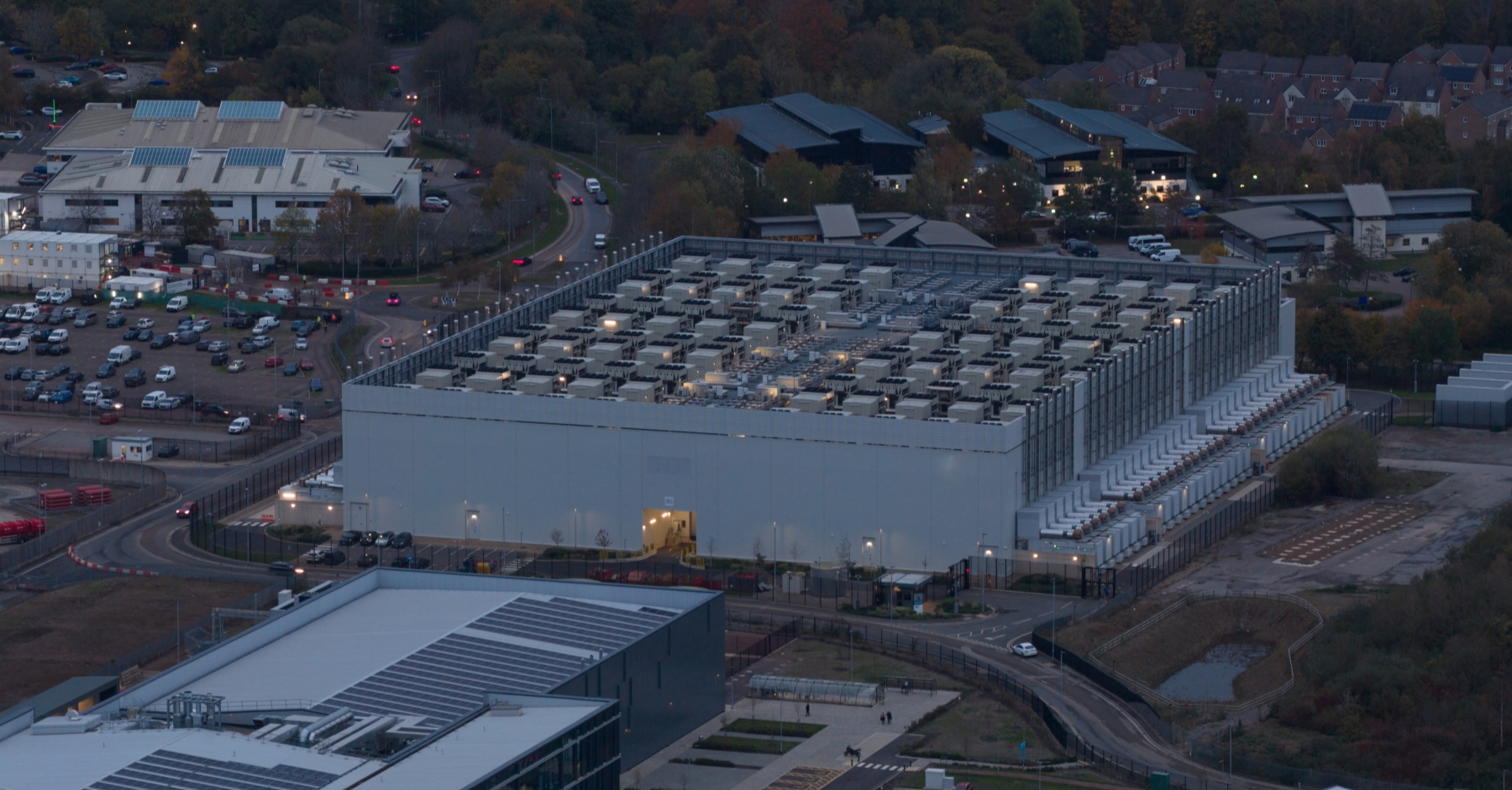
One of the most talked-about building work opportunities right now is digital infrastructure, especially data centres. This is high-value work with long programmes and demanding delivery expectations.
Barbour ABI says the UK data centre market is projected to “quadruple in value by 2029”, driven by AI and cloud demand, with growth spreading beyond London and the South East.
Data Centre News UK also reports that, based on Barbour ABI analysis, spending on new UK data centres is projected to exceed £10bn per year by 2029, up from £1.75bn in 2024.
So what’s the key takeaway?
This isn’t a casual sideline. Data centres reward firms that can evidence tight programme control, quality and commissioning discipline, supply chain confidence, and strong compliance and reporting habits.
Positioning Without Chasing Risky Work
So how do you actually use these construction market trends to your advantage?
Aim for repeatable demand, not one-off wins.
Infrastructure, regulated upgrades, and planned maintenance often behave better than speculative starts. As we’ve discussed, CPA and RICS both point to infrastructure as the standout performer.
Build a capability story that fits the growth areas
The growth segments tend to demand better reporting, better programme control, and better evidence. If you’re pitching for energy, water, data centres, or big estates, you’ll be judged on delivery confidence as much as price.
Don’t ignore the constraints shaping the market
RICS is blunt about planning and regulatory pressures remaining a key challenge, alongside financial constraints. If you plan growth without accounting for those delays, your pipeline will look better on paper than it does in real life.
Looking for Construction People Who Fit Where the Market Is Actually Going?
That’s where ITS can help.
We’ve been supplying construction professionals and site teams for decades, working closely with contractors who want stability, not stop-start resourcing. Because we work across trades, labour and professional roles, we can support short-term gaps as well as longer-term workforce planning.
Get in touch today to find out more.
FAQs
Which areas of UK construction are growing fastest?
Infrastructure is the strongest performer, particularly energy, water and utilities. Data centres and digital infrastructure are also expanding quickly.
Is housing still a good source of work?
There is demand, but it’s uneven. Funded and planned schemes are more reliable than speculative private developments.
Are repair and maintenance projects worth targeting?
Yes. RM&I work is often steadier than new builds and less exposed to market swings.
How can contractors reduce risk in the current market?
By focusing on sectors with long-term funding, repeat demand and clear delivery requirements, rather than chasing short-term or speculative projects.